


Description
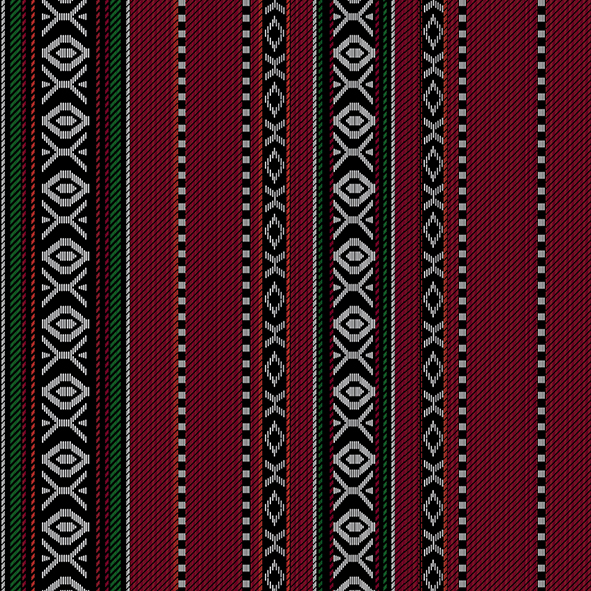
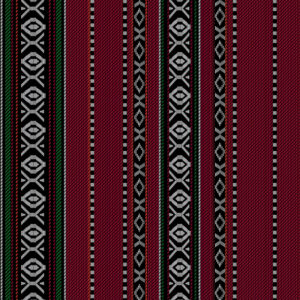
The Arabesque Geometric Pattern – Arabian-Style Vector Illustration is a meticulously designed digital artwork that celebrates the timeless beauty of Arabesque and Islamic geometric traditions. Rooted in centuries of artistic heritage, this elegant vector illustration captures the essence of classical Arabian ornamentation through a refined composition of interlocking shapes, symmetrical structures, and harmonious repetition. It reflects a design language that has transcended generations, remaining visually powerful and culturally meaningful in both historical and contemporary contexts.
Arabesque geometric patterns are among the most recognizable and enduring elements of Islamic art. Found throughout mosques, madrasas, palaces, manuscripts, ceramics, textiles, and architectural details, these designs are built on mathematical precision and artistic balance. Rather than depicting human or animal forms, which are traditionally avoided in sacred Islamic art, geometric ornamentation expresses beauty through abstraction. Repeating shapes, radiating forms, and interconnected lines create a visual rhythm that symbolizes unity, order, and the infinite nature of creation.
This Arabian-style vector illustration draws directly from that tradition while presenting it in a modern, highly adaptable digital format. The pattern is constructed with careful attention to proportion and symmetry, ensuring that every element aligns seamlessly with the next. Its vector-based structure allows for infinite scalability without loss of quality, making it ideal for both large-scale applications and fine-detail design work. Whether enlarged for architectural panels or reduced for branding accents, the illustration maintains clarity, precision, and aesthetic impact.
Beyond its visual appeal, Arabesque geometry carries deep cultural and philosophical meaning. Historically, such patterns flourished during the Islamic Golden Age, when scholars, mathematicians, and artists collaborated to explore geometry as both a scientific and spiritual discipline. Circles, stars, polygons, and tessellations were not merely decorative but symbolic representations of cosmic order and divine harmony. The repetition of motifs without a visible beginning or end reflects the concept of infinity, encouraging contemplation and intellectual engagement.
In contemporary design practice, this Arabesque geometric vector serves as a bridge between heritage and innovation. Designers working in graphic design, interior styling, fashion, packaging, publishing, and digital media can use the pattern to introduce cultural depth and ornamental sophistication into their projects. Its seamless tiling capability makes it particularly effective for wallpapers, textile prints, surface designs, and backgrounds where visual continuity is essential.
The versatility of this illustration extends to both traditional and modern applications. It can be incorporated into luxury branding, editorial layouts, book covers, event invitations, exhibition graphics, and cultural campaigns. It is especially well-suited for themes connected to Middle Eastern identity, Islamic culture, and festive occasions such as Ramadan, Eid, or heritage celebrations. At the same time, its clean geometry and balanced composition allow it to blend effortlessly into minimalist and contemporary design aesthetics.
One of the defining strengths of Arabesque geometric art is its ability to create visual richness without relying on figurative imagery. The viewer’s eye is guided through repeating patterns and interwoven forms, producing a sense of movement, depth, and continuity. This rhythmic quality makes the illustration both calming and engaging, suitable for environments and designs that aim to evoke elegance, reflection, and timeless beauty.
The Arabesque Geometric Pattern – Arabian-Style Vector Illustration stands as a refined digital interpretation of a historic art form. By translating classical Islamic geometry into a flexible vector format, it empowers creatives to honor tradition while exploring new visual possibilities. Whether used in print or digital media, this artwork enriches design narratives, enhances visual storytelling, and celebrates the enduring legacy of Arabesque ornamentation in a modern creative landscape.
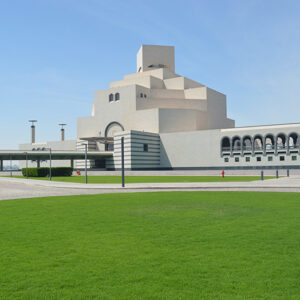 The Museum of Islamic Art, Doha-Qatar 0147
 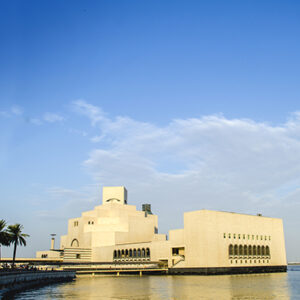 The Museum of Islamic Art, Doha-Qatar 1221