



Description
The Katara Cultural Village in Doha, Qatar, is a uniquely captivating destination that blends artistic innovation, cultural heritage, recreational attractions, and modern entertainment, and this high-quality image vividly captures its rich and multifaceted character. Situated on the eastern coastline between West Bay and The Pearl, Katara Cultural Village showcases Qatar’s commitment to cultural expression, heritage preservation, and community engagement, making it one of Doha’s most iconic cultural landmarks.
At the heart of Katara Cultural Village stands the Katara Amphitheatre, a remarkable open-air venue that merges classical Greek design with traditional Arabic architectural elements. The amphitheatre is capable of accommodating thousands of spectators and hosts performances ranging from concerts and theatrical productions to festivals and cultural celebrations. Its presence adds dramatic depth to the village’s landscape and draws visitors who appreciate both its aesthetic and cultural significance.
One of the standout features that appears in this image is the beautiful hill parks that rise within the village grounds, offering lush walking paths, shaded spots, and panoramic views of the surrounding environment. These landscaped hills provide a scenic escape amid the architectural splendor and are perfect for photography, family outings, and relaxing strolls. A scenic view of Katara Lake Hill Green Park in Katara Cultural Village, featuring lush green hills, waterfalls, a serene lake reflecting the clear sky, and trees lining the walking paths. Visitors stroll peacefully, enjoying the natural beauty and tranquil atmosphere.
The Katara Beach adds a coastal charm to the cultural landscape, with its 1.5 km sandy shoreline inviting visitors to enjoy water sports, sunbathing, and leisurely beach walks. Activities such as parasailing, kayaking, and pedal boating are popular here, making the beach not only a picturesque backdrop but also an engaging destination for active visitors.
Katara is also home to a vibrant array of exhibition halls and art galleries, where local and international artists display their works throughout the year. These indoor spaces provide a dynamic platform for cultural dialogue, artistic exchange, and educational exploration, hosting exhibitions, workshops, seminars, and interactive displays that engage diverse audiences.
Visitors to Katara Cultural Village encounter numerous cultural activities, including performances at theatres, film screenings, lecture series, cultural forums, festivals, and seasonal celebrations. These events reflect the village’s role as a thriving epicenter for artistic expression and community participation, drawing people of all ages and backgrounds who are passionate about art, music, literature, and cultural exchange.
No cultural visit is complete without sampling the culinary offerings that line Katara’s avenues. The village boasts an array of food stalls and cafés, ranging from traditional Qatari dishes to international cuisines. Whether visitors seek refreshing beverages, local specialties like karak tea, or gourmet dining with a view of the sea, the food culture here adds an extra sensory dimension to the Katara experience.
Beyond food, Katara Cultural Village serves as a social and commercial hub with its shopping centres and boutiques, including the well-known 21 High Street open-air retail boulevard. This space offers visitors the chance to browse everything from high-end fashion to handcrafted souvenirs, connecting cultural appreciation with shopping enjoyment.
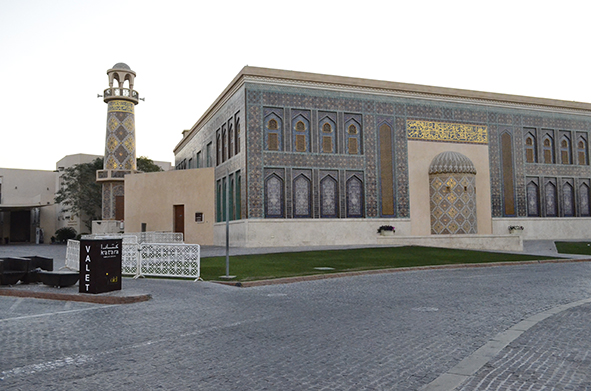
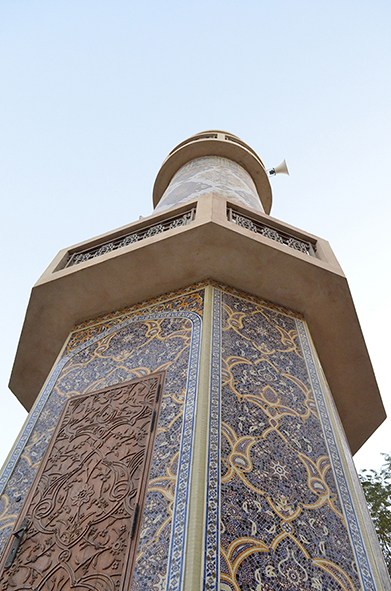
Architectural highlights such as the Katara Mosque, Golden Masjid, and traditional pigeon towers further enrich the cultural tapestry, showcasing detailed craftsmanship and historical influences. Together with open courtyards, shaded walkways, and public art installations, these features create an environment where heritage and modernity stand in harmonious balance, providing endless opportunities for exploration and discovery.
This image of Katara Cultural Village, Doha, Qatar, encapsulates more than a place—it embodies a cultural lifestyle that celebrates diversity, creativity, and community. It is ideal for travel publications, cultural features, editorial use, architectural showcases, and tourism campaigns that aim to highlight the soul of Doha’s cultural scene. By illustrating the dynamic interplay between art, architecture, recreation, and social activity, this visual narrative makes a compelling statement about Qatar’s cultural identity on the world stage.


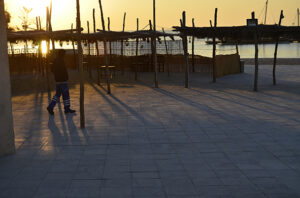 The Katara cultural village, Doha, Qatar, Middle East DSC2870