




Description
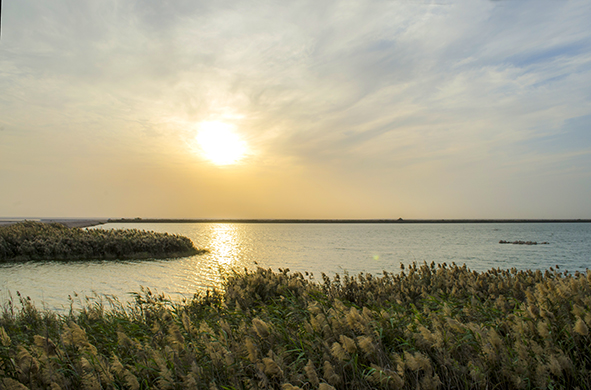
Al Karaana Sewage Water Lake in Rayyan, Qatar – Environmental Landscape Photography.
This striking landscape photograph captures the unique and rarely documented scenery of Al Karaana Sewage Water Lake in Al Rayyan, Qatar, offering a compelling visual perspective on one of the country’s most unusual environmental locations. The image highlights the expansive lagoon area located in the desert region southwest of Doha, where water, sand, and sky meet in a dramatic contrast that defines the natural character of Qatar’s inland landscape.
Al Karaana Lagoon is an important site in Qatar’s environmental and infrastructure history. The area once served as one of the country’s major wastewater disposal and landfill zones, with large lagoons designed to store sewage and industrial wastewater transported by tanker trucks. Over time, the lagoon expanded to cover more than four square kilometers, creating a vast artificial water body surrounded by desert terrain.
Despite its industrial origin, the landscape of Al Karaana has evolved into an unexpectedly fascinating photographic subject. The calm water surfaces, reflections of the sky, and the quiet isolation of the desert environment create a dramatic scene that is both environmental and artistic. Photographers and visual storytellers are often drawn to the site because it represents a powerful contrast between human infrastructure and the natural desert ecosystem of the Arabian Peninsula.
This high-resolution image beautifully documents that contrast. The still water reflects the soft colors of the sky and surrounding desert, producing a minimalist composition that captures the atmosphere of Qatar’s inland terrain. The scene can evoke themes of environmental change, sustainability, and the complex relationship between urban development and nature in rapidly growing Gulf countries.
In recent years, the Al Karaana area has undergone major environmental rehabilitation projects. Authorities worked to restore and redesign the lagoon system to reduce pollution and improve ecological conditions. Modern artificial lagoons were constructed to store treated water safely, while contaminated sediments were removed and treated to protect surrounding land and groundwater resources.
Today, the rehabilitated water bodies have gradually developed into a new ecological environment. The lagoons now support various forms of wildlife, including migratory birds, fish, and amphibians, transforming what was once an industrial wastewater site into an evolving habitat within Qatar’s desert ecosystem.
From a visual storytelling perspective, this transformation makes Al Karaana Lagoon an intriguing subject for environmental journalism, sustainability reports, documentaries, and educational publications. The photograph represents more than a landscape — it reflects the broader story of how modern infrastructure and environmental management shape the future of arid regions.
This image provides excellent clarity and detail suitable for professional editorial use. The high-quality JPEG format ensures compatibility with digital publications, online articles, presentations, and print layouts. Whether used in magazines, documentaries, academic publications, or environmental studies, the photograph offers both aesthetic value and documentary significance.
For photographers, editors, and researchers seeking imagery that reflects the environmental landscape of the Middle East, Al Karaana Sewage Water Lake in Rayyan, Qatar, offers a powerful visual narrative. It documents a location where desert geography, human infrastructure, and environmental restoration intersect.
Add this unique photograph to your editorial collection and present audiences with a rare view of Qatar’s evolving environmental landscape — a place where industrial history and natural transformation coexist within the vast desert horizon.



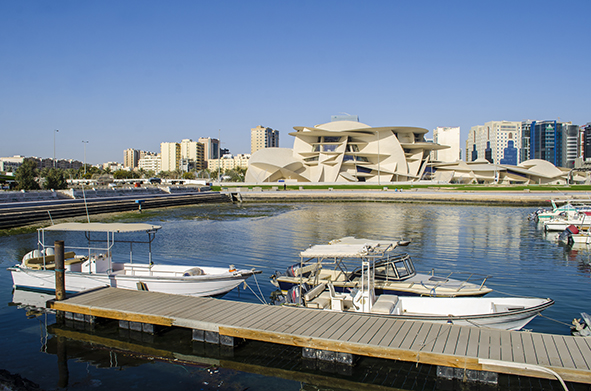 National Museum of Qatar, Doha-Qatar 4578
 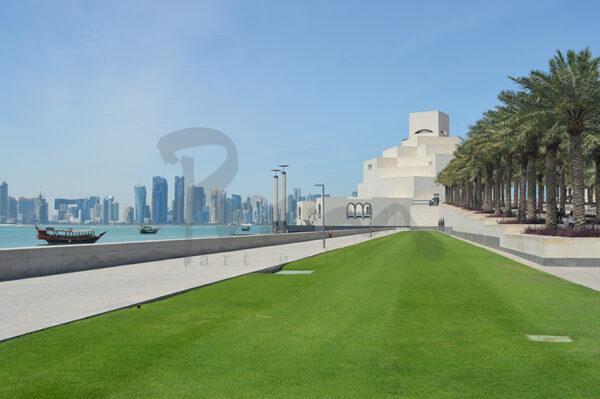 The Museum of Islamic Art, Doha-Qatar 0160
  The Museum of Islamic Art, Doha-Qatar 0147
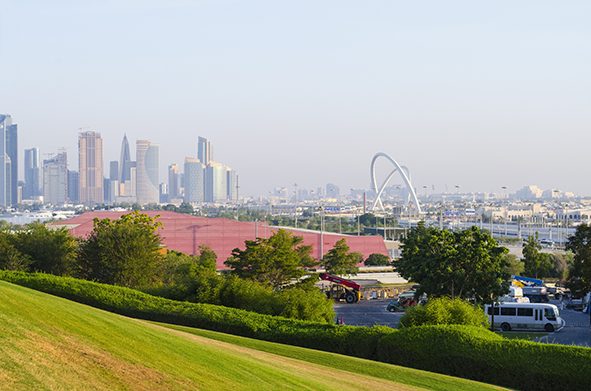
 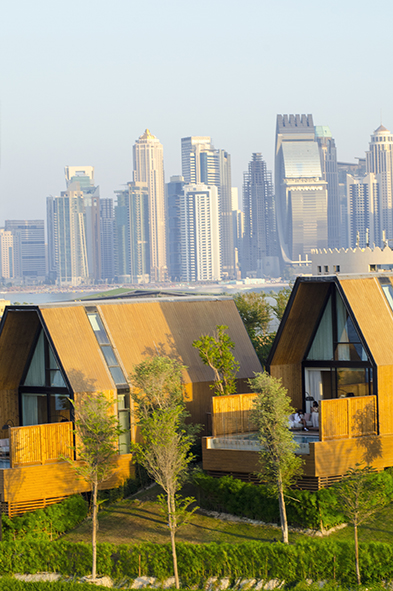 The Katara cultural village - View from Katara Hill, Doha-Qatar DSC9757
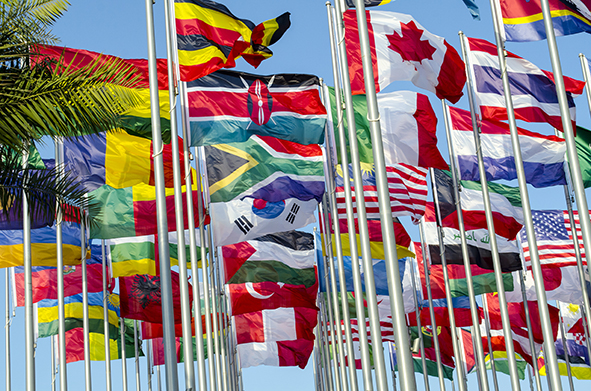
 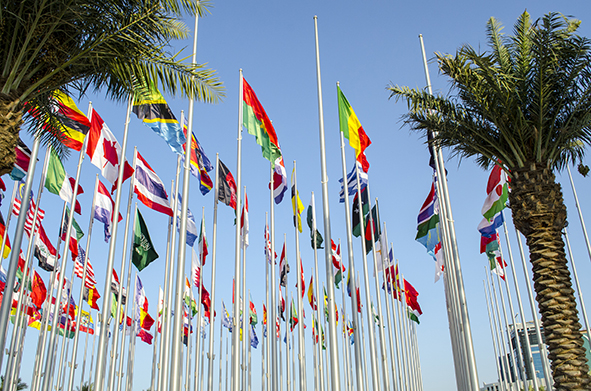 Park of the Flag Plaza at Cornish, west bay Doha-Qatar DSC_9846
 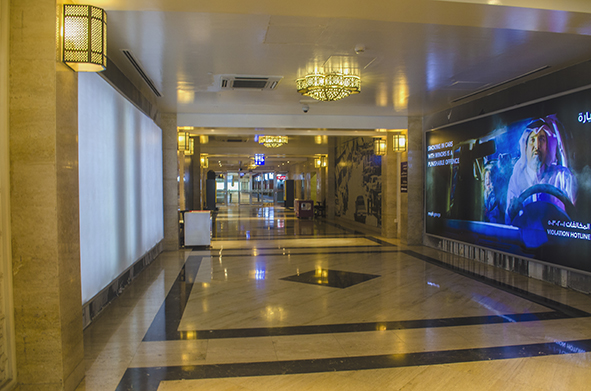 Underground passage to Souq Waqif, Traditional Old Market of Doha, Qatar, Middle East DSC7176
  Arabic & Indian Dish PAG F0001A
 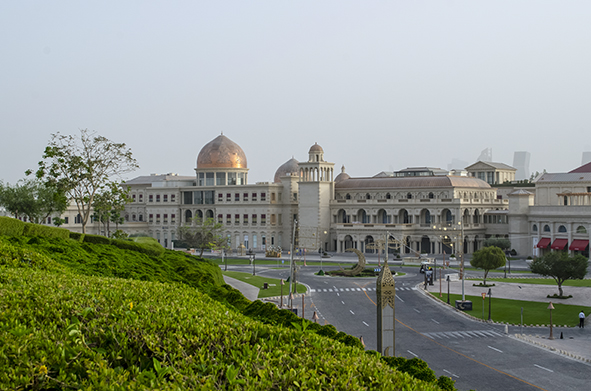 The Katara cultural village - Katara Hill, Doha-Qatar DSC8906
 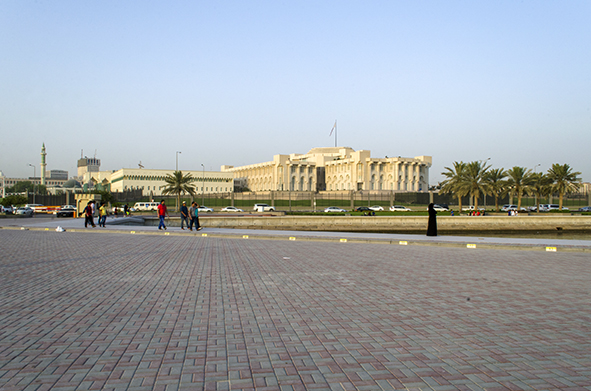 The Amiri Diwan of the State of Qatar_6205
 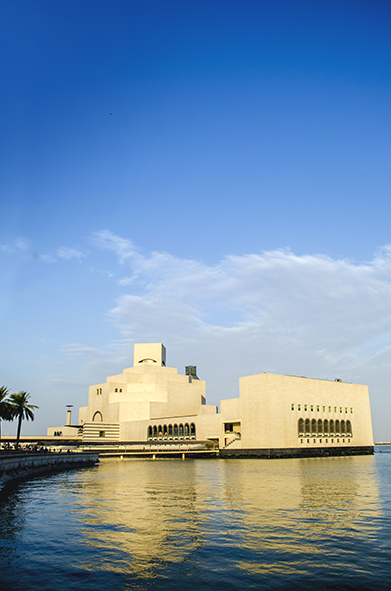 The Museum of Islamic Art, Doha-Qatar 1221