




Description
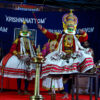
Kathakali is one of the most iconic classical dance traditions of Kerala, celebrated for its dramatic storytelling, elaborate costumes, and expressive facial movements. This traditional dance-drama form combines theatre, music, mythology, and visual artistry into a powerful cultural experience that reflects centuries of artistic evolution in South India. Originating around the 16th century and shaped by earlier temple and folk traditions, Kathakali continues to represent the spiritual and cultural identity of Kerala through its vibrant performance language.
The term “Kathakali” comes from two words: katha, meaning story, and kali, meaning performance. True to its name, Kathakali is a storytelling art form that brings ancient legends from the Ramayana, Mahabharata, and other classical texts to life through expressive gestures, rhythmic movement, and symbolic costume design. Each performance communicates themes of courage, devotion, justice, and the eternal struggle between good and evil, making it both visually captivating and spiritually meaningful.
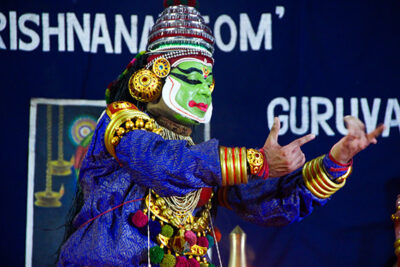
One of the most striking features of Kathakali is its elaborate facial makeup and costume structure. Performers spend hours preparing before appearing on stage, carefully applying layers of natural pigments and detailed patterns known as theppu. A distinctive white frame called chutti surrounds the jawline, enhancing facial expressions and helping audiences recognise character types instantly. These visual elements transform the performer into mythological heroes, divine beings, or powerful demons, creating a dramatic presence that defines the uniqueness of Kathakali performance tradition.
Costumes in Kathakali are equally impressive and symbolic. Artists wear large, layered skirts, ornate chest decorations, decorative ornaments, and towering crowns designed according to each character’s personality and role. Green makeup often represents noble heroes, while red and darker tones symbolise aggressive or demonic characters. This carefully structured costume system allows viewers to understand the story visually, even without spoken dialogue, making Kathakali one of the most sophisticated theatre traditions in India.
Another essential feature of Kathakali is its expressive storytelling technique. Instead of spoken dialogue, performers communicate through hand gestures known as mudras, facial expressions, eye movements, and body posture. Artists undergo years of disciplined training to master these techniques, learning to control even the smallest facial muscles with precision. The performance is supported by vocalists who sing traditional verses called Attakatha, while percussion instruments such as the chenda, maddalam, chengila, and ilathalam create a powerful rhythmic background that enhances the emotional intensity of the story.
Traditionally, Kathakali performances were conducted overnight in temple courtyards and palace grounds, allowing audiences to experience extended storytelling sequences from epic literature. Today, the art form is also presented on cultural stages and international platforms, making it accessible to wider audiences while still preserving its ritual roots and classical discipline. Despite these changes, Kathakali continues to maintain its authentic structure, costume tradition, and expressive performance style.
Beyond its theatrical significance, Kathakali represents a remarkable example of Kerala’s artistic craftsmanship. Every costume element, crown, ornament, and makeup detail reflects the skill of artisans who preserve traditional techniques passed down through generations. This dedication to authenticity ensures that Kathakali remains both a performing art and a visual cultural symbol admired worldwide.
Today, Kathakali imagery is widely appreciated in art collections, cultural exhibitions, and interior décor inspired by Indian heritage. The vibrant colours, dramatic expressions, and intricate costume details make Kathakali artwork a striking representation of classical Indian culture. Displaying Kathakali-inspired visuals in homes, galleries, or creative spaces brings a sense of tradition, storytelling richness, and timeless artistic elegance.
As a cultural symbol of Kerala’s heritage, Kathakali continues to inspire artists, collectors, and travellers around the world. Its combination of mythology, performance, craftsmanship, and spiritual expression makes it one of the most visually powerful classical dance traditions of India and a meaningful representation of South Asian cultural identity.


 Dhow (Traditional Fishing Boat). Harbor in West-bay, Doha-Qtar 1365
 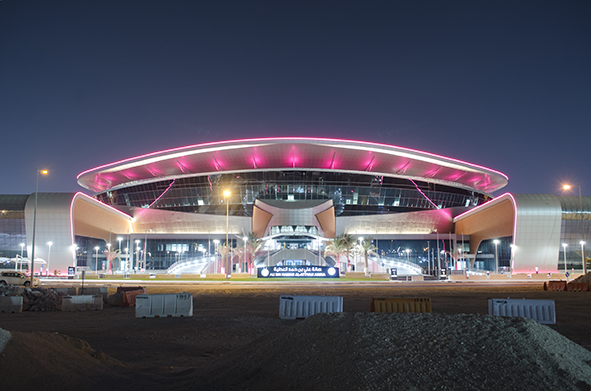 The Ali Bin Hamad Al-Attiya Arena in Doha, Qatar, Middle-East_8416
 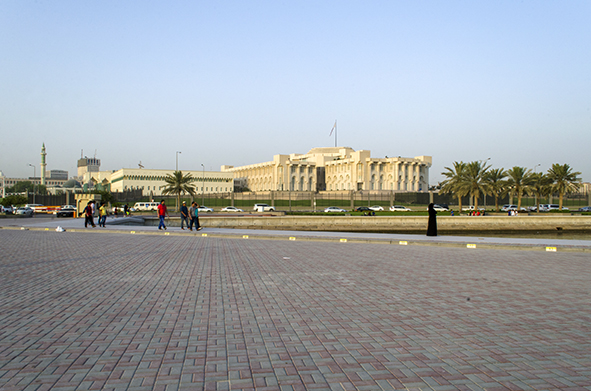 The Amiri Diwan of the State of Qatar_6205
 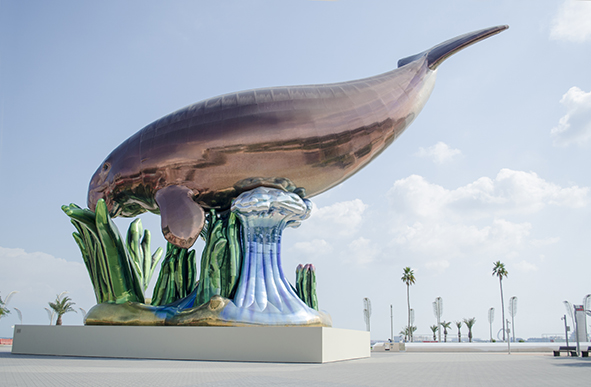 A gigantic ‘dugong’ statue at the West Bay City skyline of Doha - Qatar DSC695
 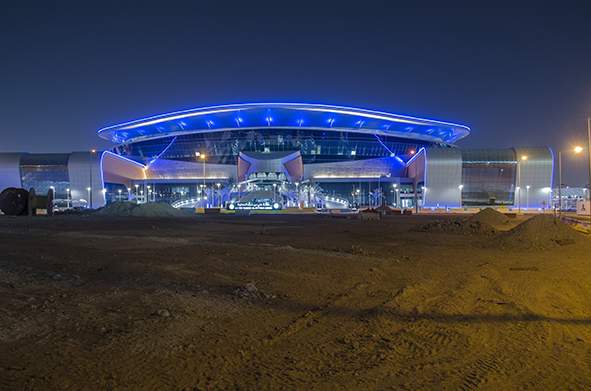 The Ali Bin Hamad Al-Attiya Arena in Doha, Qatar, Middle-East_8419
 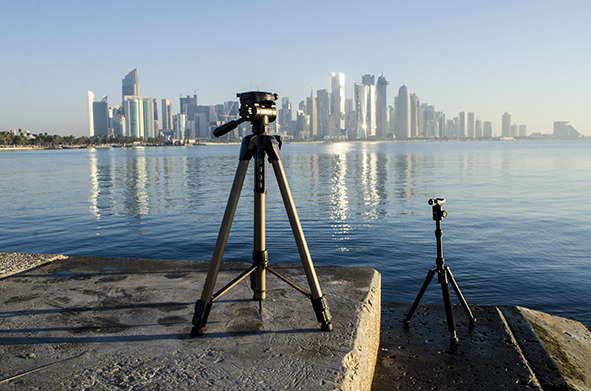 Tripod - concept of photography - West-bay, Doha-Qtar 5039
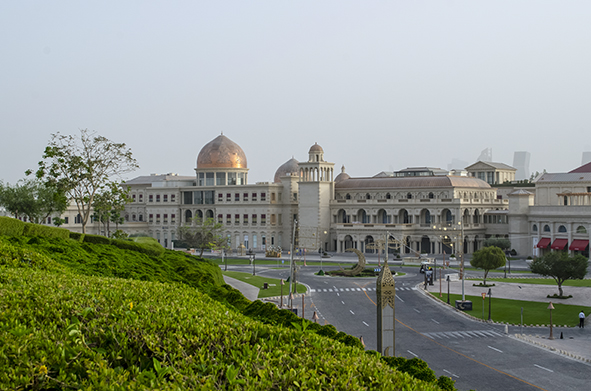
  Katara Cultural Village - Katara Lake Hill Green park, Doha-Qatar 1908
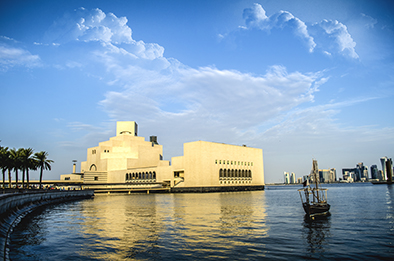
 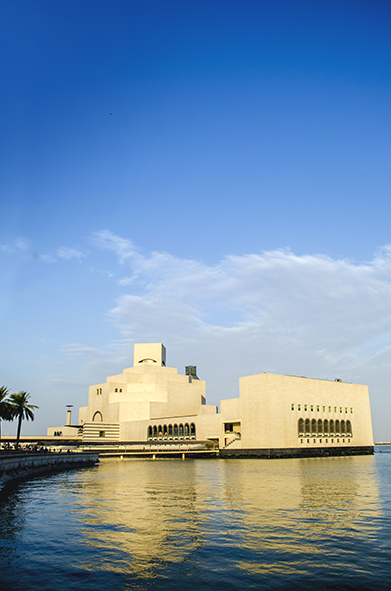 The Museum of Islamic Art, Doha-Qatar 1221