


Description
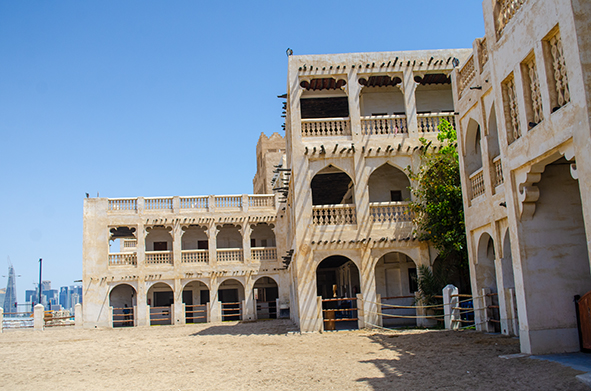
The Traditional Horse Stable at Souq Waqif in Doha, Qatar, is a vivid cultural scene that reflects the rich equestrian heritage of the Arabian Peninsula, captured in this evocative image. Located just a short walk from the historic marketplace, the horse stables at Souq Waqif are a beloved attraction where visitors can experience the elegance and tradition of Arabian horses — an enduring symbol of Gulf heritage and Bedouin culture.
Souq Waqif, one of the most iconic heritage destinations in Qatar, not only offers markets filled with spices, textiles, and handicrafts but also everyday cultural experiences that connect people with the region’s traditions. Among these experiences, the horse stables stand out as a peaceful yet powerful reminder of how deeply rooted horses are in Qatari life. These stables are often found near the Falcon Souq and camel enclosures, forming a miniature equestrian world where majestic Arabian horses live and perform alongside the cultural rhythms of the market.
Arabian horses have been treasured across the Arabian Peninsula for centuries, known for their strength, stamina, elegance, and deep bond with humans. In Qatar, these horses remain a cultural emblem, often associated with pride, nobility, and historical significance. Within the stable environment portrayed in this image, the horses stand calm and alert, offering a glimpse into their dignified presence and the care given by their handlers. With their gleaming coats and expressive eyes, each horse conveys a sense of grace and heritage that resonates with both locals and visitors.
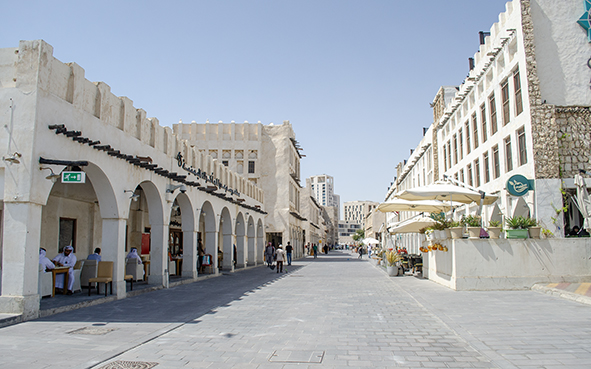
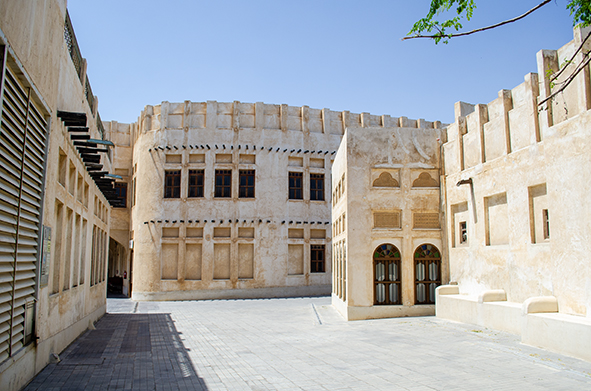
This image’s composition captures more than just animals within a space. It portrays a setting where tradition and daily life intersect — a tangible expression of Qatar’s effort to preserve and celebrate its cultural roots even as the country rapidly modernizes. The architectural details of the stable, along with the natural light and surrounding pathways, offer visual context tied to the larger Souq Waqif environment: historical façades, tactile textures, and the warmth of a heritage site that remains alive and active.
Visitors to the horse stables often remark on the serene contrast between the calm demeanor of the horses and the vibrant market environment just beyond the stable walls. The area offers a quieter space within the bustling sights and sounds of Souq Waqif — a place to connect with the softer side of Qatari culture. Families, equestrian fans, and photographers alike find value in observing these magnificent animals up close, feeding them, or simply appreciating their presence as part of a storied tradition.
The image’s visual narrative speaks to more than tourism; it tells a cultural story. Arabian horses have played significant roles in Qatar’s history, from transportation and farming to ceremonial occasions and contemporary equestrian competitions. You can even witness traditional heritage rides and horse parades through market thoroughfares, particularly during festivals like the Souq Waqif International Arabian Horse Show, which draws competing purebred horses from across the region.
For photographers, travel writers, and cultural documentarians, this traditional horse stable image serves as a powerful visual link between past and present. It captures the enduring spirit of equestrian culture that remains steadfast in the heart of Doha despite the city’s rapid modernization and futuristic skyline. It also serves as a reminder of the authentic experiences waiting for those who explore beyond typical tourist routes.
In summary, the Traditional Horse Stable at Souq Waqif, Doha, Qatar, is a compelling subject for both artistic and cultural storytelling. The image conveys equestrian heritage, traditional lifestyles, and the deep cultural significance of Arabian horses, making it a valuable addition to any visual collection focused on heritage travel, Middle Eastern culture, or fine art photography.

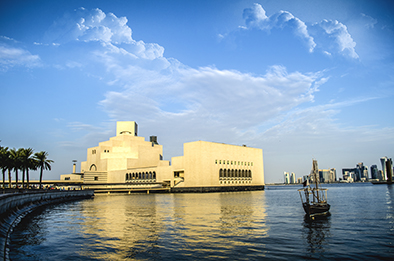
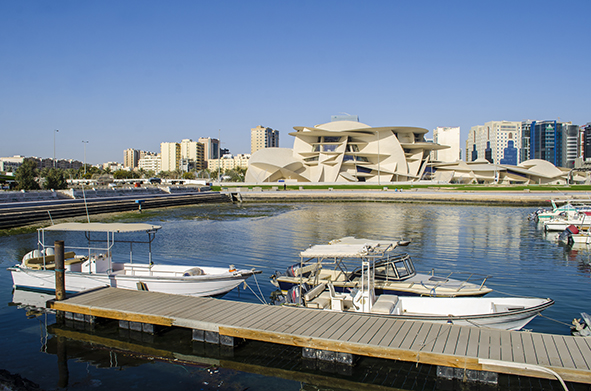

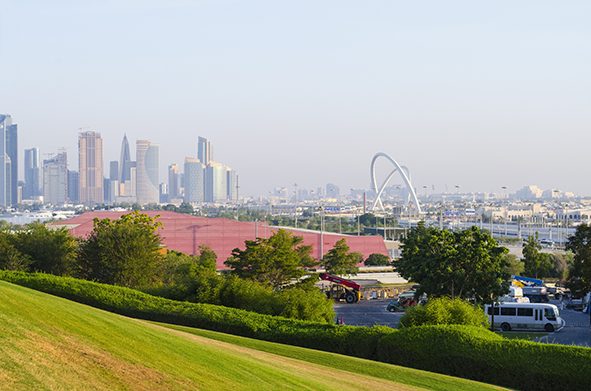 The Katara cultural village - Katara Hill, Doha-Qatar DSC9733
 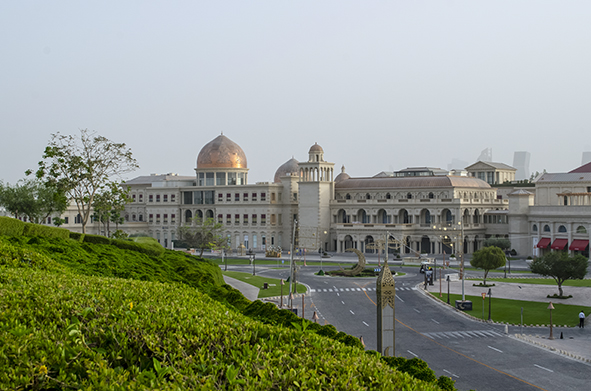 The Katara cultural village - Katara Hill, Doha-Qatar DSC8906