



Description
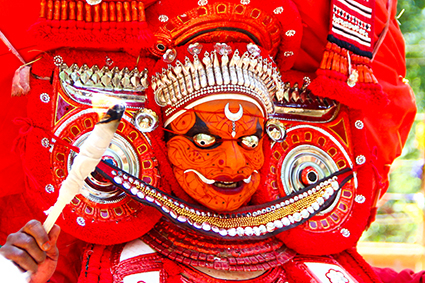
This striking cultural photograph captures a powerful moment from the ancient ritual tradition of Theyyam, one of the most visually spectacular and spiritually significant performance arts of Kerala, India. The image features two iconic Theyyam forms performing together: Vishnu Moorthi Theyyam on the left and Raktha Chamundi Theyyam on the right. Both characters represent powerful deities and mythological figures deeply rooted in the ritual traditions of the Malabar region of northern Kerala.
Theyyam is not merely a dance but a sacred ritual that combines performance, devotion, mythology, and community worship. Practiced primarily in the districts of Kannur and Kasaragod, Theyyam ceremonies take place in temple courtyards and sacred groves known as kavu. During these performances, the artist undergoes an elaborate transformation through costume, face painting, and ritual preparation, symbolically becoming the deity they represent. Devotees gather to witness the ritual, seek blessings, and connect with the spiritual energy embodied by the performer.
In this photograph, the performer on the left represents Vishnu Moorthi Theyyam, a powerful manifestation associated with the Hindu god Vishnu. Vishnu Moorthi Theyyam is believed to represent divine justice and protection. The performer’s costume is vibrant and dramatic, featuring elaborate red headgear, ritual ornaments, and a skirt made of natural coconut leaves or grass, which adds movement and texture to the performance. The energetic dance movements of Vishnu Moorthi Theyyam often symbolize the destruction of evil and the restoration of cosmic balance.
On the right side of the image stands Raktha Chamundi Theyyam, another powerful and visually striking form of Theyyam. Raktha Chamundi represents the fierce goddess Chamundi, associated with the destruction of demons and negative forces. The costume is characterized by an enormous circular headgear structure richly decorated with intricate patterns, vibrant colors, and symbolic motifs. The dramatic facial makeup and bold red tones symbolize divine power, energy, and the goddess’s fierce protective nature.
The contrast between the two Theyyam forms creates a dynamic visual composition. Vishnu Moorthi’s energetic posture and flowing costume complement the monumental presence of Raktha Chamundi’s elaborate headgear and regal stance. Together they represent two different aspects of divine power within Kerala’s ritual traditions—protection and justice embodied by Vishnu Moorthi, and the fierce, transformative power of the goddess represented by Raktha Chamundi.
Beyond the performers themselves, the surrounding environment also plays an important role in the ritual atmosphere. The performance takes place in an open temple ground, where villagers and devotees gather to witness the sacred dance. The audience forms a natural circle around the performers, creating a sense of communal participation and spiritual connection. The presence of trees and natural surroundings reflects the traditional setting of many Theyyam rituals, which are often performed in sacred groves that have been preserved for centuries.
Theyyam is recognized as one of India’s most remarkable examples of living ritual art, combining elements of theater, dance, costume design, music, and spiritual devotion. Each Theyyam form has its own mythology, costume style, and ritual significance, passed down through generations of performers who dedicate their lives to preserving this cultural heritage.
This photograph captures the extraordinary visual richness of Theyyam—the brilliant colors, intricate costume craftsmanship, dramatic gestures, and powerful spiritual symbolism. It offers viewers a glimpse into the vibrant ritual culture of Kerala and the deep connection between art, faith, and community.
For collectors and admirers of cultural photography, this image represents more than a moment in a performance; it is a documentation of a living tradition that continues to thrive in the temples and villages of northern Kerala. The dynamic presence of Vishnu Moorthi and the majestic form of Raktha Chamundi together create a compelling visual narrative that celebrates the timeless beauty and spiritual power of Theyyam.
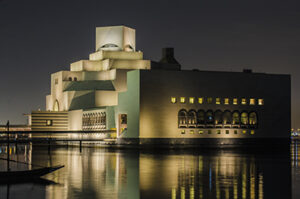
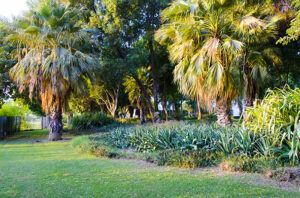
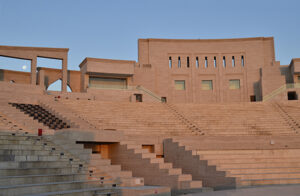 The Katara cultural village, Doha, Qatar, Middle East DSC2842
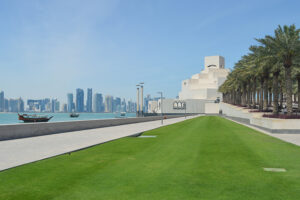
 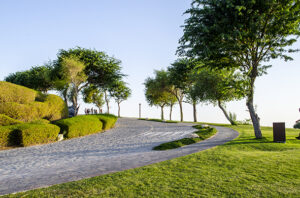 The Katara cultural village - Katara Hill, Doha-Qatar DSC9718
  Aspire Zone, Sport city, Fun Run Qatar PAG0022
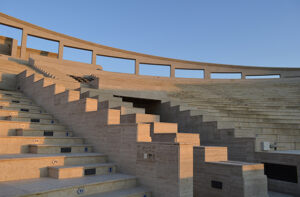
 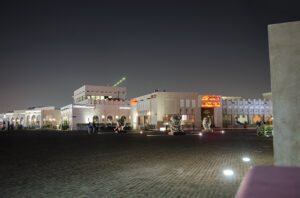 The Katara cultural village, Doha, Qatar, Middle East 9453
  The Katara cultural village, Doha, Qatar, Middle East 9406